
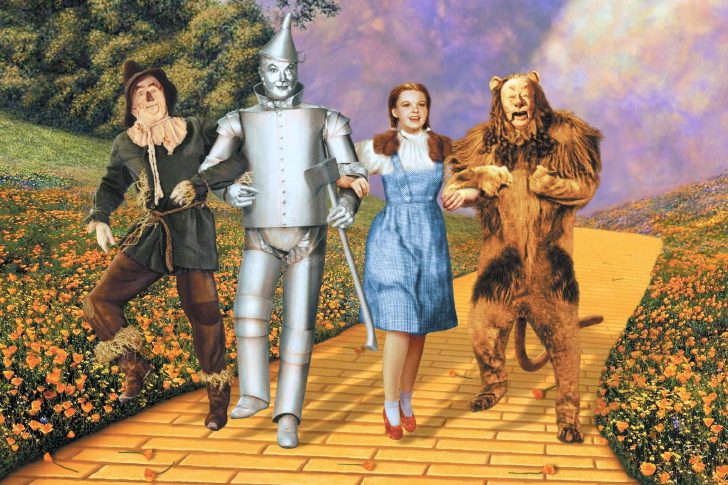
The Wizard of Oz is an iconic film. The 1939 film smashed the Academy Awards ceremony the year after its release. It was nominated for six Oscars, winning two, while also gaining recognition for using technicolor and unique costumes.
It wasn’t the easiest film to make, and some backstage secrets have surfaced that have truly set it apart from others. From groping to scandal and animal fur suits, this is how the making of “The Wizard of Oz” really happened.
These Little Munchkins Were Really Bad
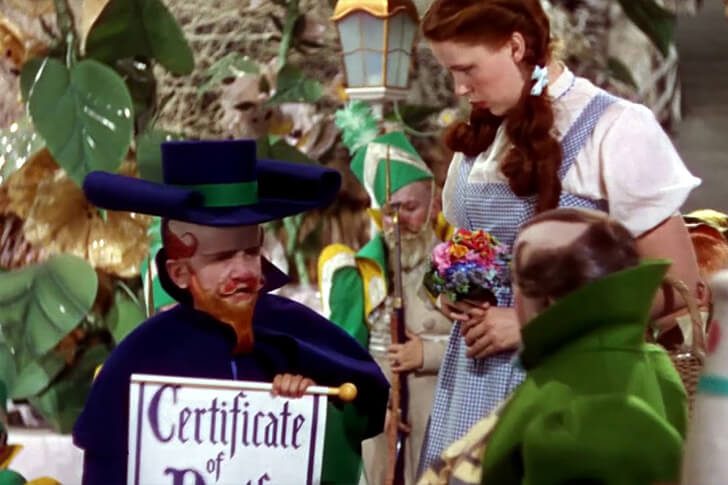
The munchkins were diminutive characters from Munchkin Country in Oz. They wore blue outfits and were responsible for welcoming Dorothy to Oz. But legend has it they were neither as welcoming nor as well disciplined as they are depicted.
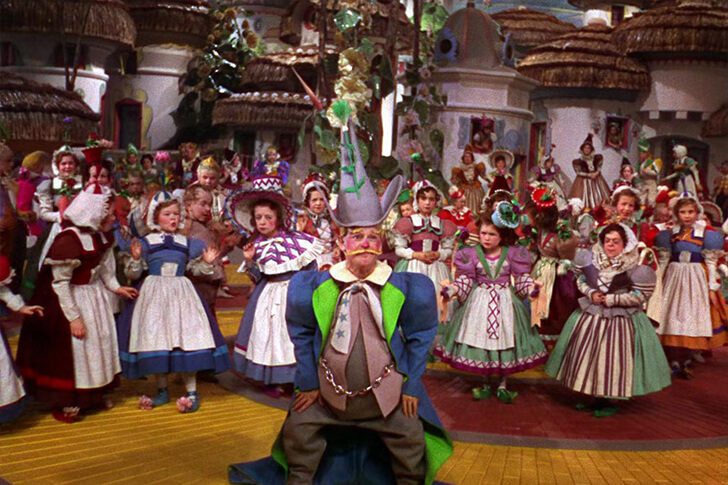
This at least goes for the actor who played them. These guys developed a reputation for causing big trouble. Apparently, the police had to make regular visits to calm them down. They also engaged in gambling, drugs, and group adult activity.
The Star Wasn’t Treated Like One
“The Wizard of Oz” had a female lead named Dorothy, that was expertly played by young actress Judy Garland, who became iconic because of her delivery of the character. Despite her billing in the film, Garland wasn’t treated very well during filming.
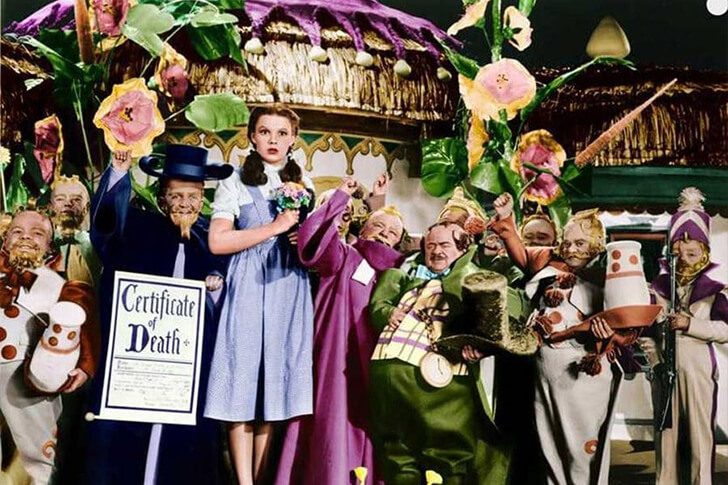
Apparently, the munchkin actors put their hands under her dress. She also had to take slimming tablets and was allegedly on pills to keep her awake and to sleep. This was the norm at the time with actors.
The Myth Of Garland’s Career Ending After Oz
Many people believe that Judy Garland’s career ended after “The Wizard of Oz.” It was her most iconic role, but she had roles in other major films like “The Harvey Girls,” “Easter Parade,” and an Oscar-nominated performance in “A Star Is Born.”
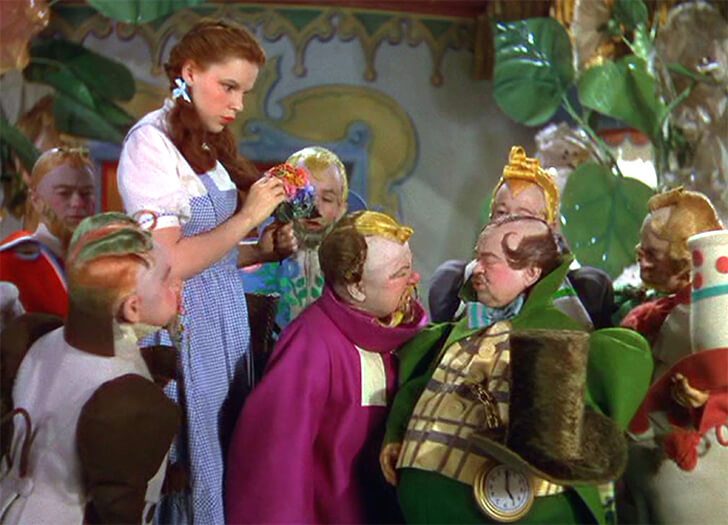
She became the first woman to win the Grammy for Album of the year with her live album “Judy at Carnegie Hall.” Her other acclaimed roles came later in her career, although sadly, she passed away in 1969.
An Iconic Character Caught Fire while Filming
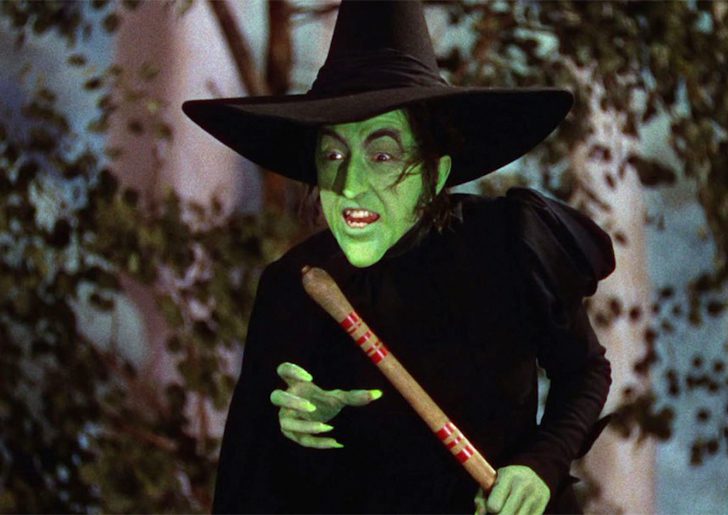
One of the most iconic lines in the film is the “I’m melting” refrain shrieked by the Wicked Witch after water hits her. Well, the actress who played her nearly melted when she caught fire during another scene.
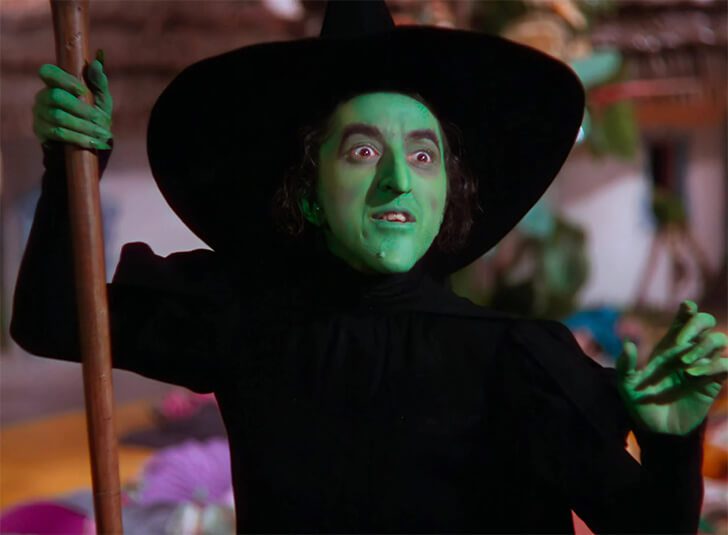
The scene is where the Witch escapes Munchkin Land in a cloud of smoke. The pyro was initiated too early and the trap door actress Margaret Hamilton was standing on didn’t activate. This resulted in Hamilton’s hat, broom, and makeup catching fire.
But The Filmmakers Wouldn’t Take A Hint
After Hamilton healed from her injuries, she refused to do any more scenes like that. The problem was that the script still had a few more. One of them is a scene known as the “Surrender Dorothy” scene.
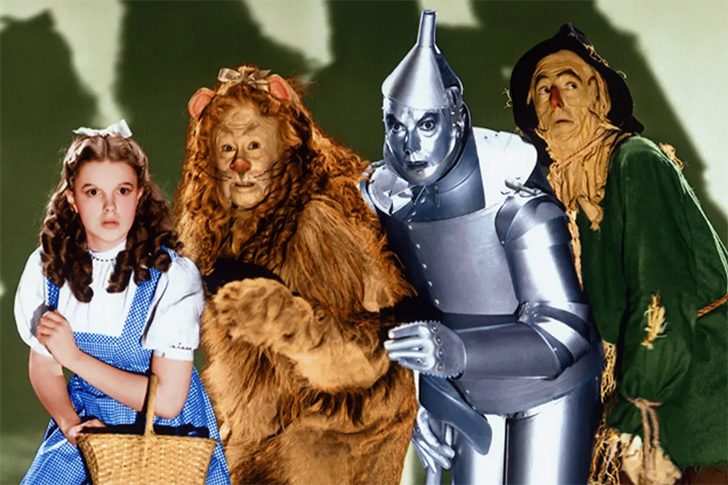
In it, the Witch did her signature smoke escape, but with Hamilton unwilling to shoot the scene, it was left to her stunt double. It didn’t end well again, with the double suffering a similar fate, and being hospitalized as a result.
The Tin Man Was A Tough One To Cast
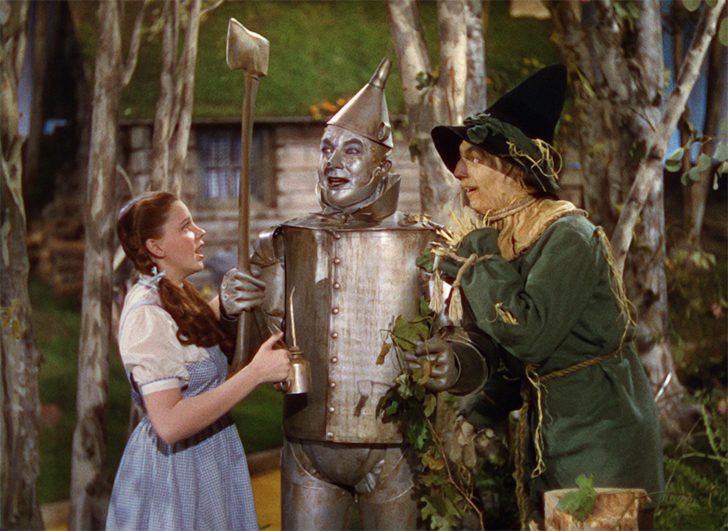
While the costumes were praised in the film, it was difficult to find actors to wear them. This was the case for the Tin Man, who had three actors cast to play him. Initially, Ray Bolger was going to be the Tin Man.
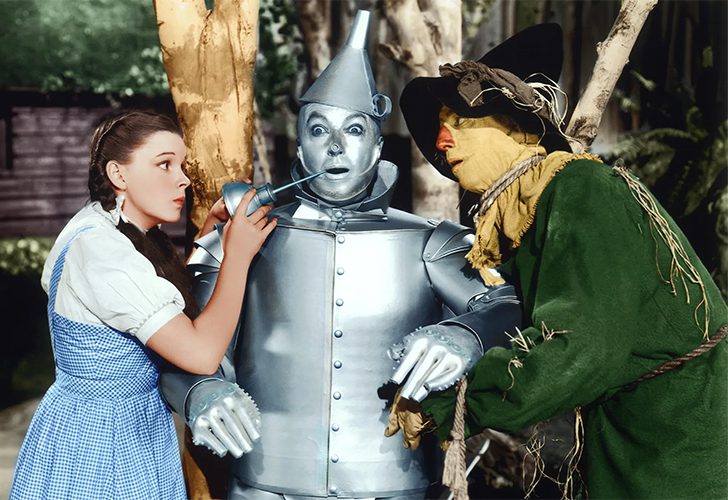
But he convinced the director that he would be a better Scarecrow. They then cast Buddy Ebsen in the Tin Man role. But the challenges and re-casting didn’t stop with Ebsen, and the costume would prove problematic.
The Costume Is Poison
Buddy Ebsen was ready to go until he discovered the suit he was wearing was poison. He had an allergic reaction to the aluminum powder in the silver face paint, which resulted in him needing to be treated in an oxygen tent.
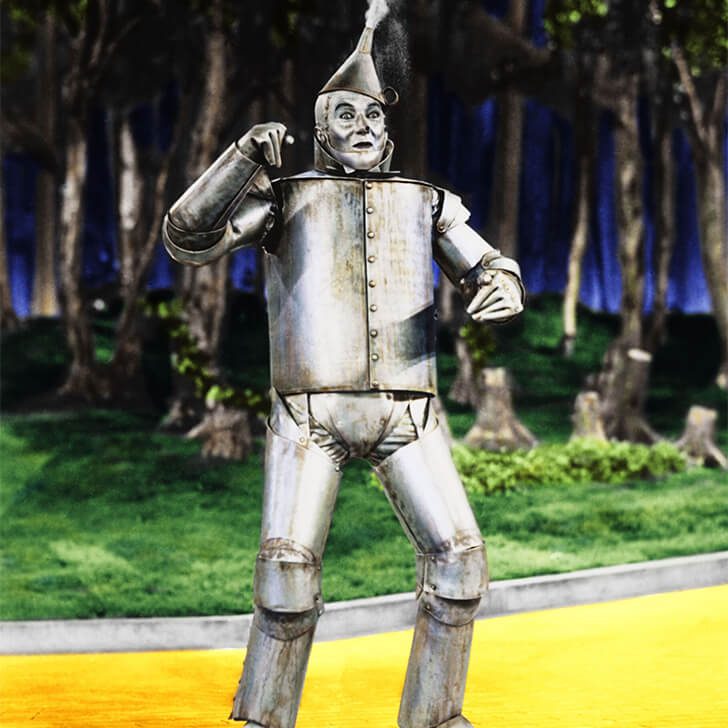
With Ebsen incapacitated MGM went to actor Jack Haley who they borrowed from another studio. They also switched from an aluminum powder to an aluminum paste, which didn’t cause an allergic reaction, but gave Haley an eye infection.
The Snow In The Film Was Also Poison
Asbestos is commonly used in the building industry. But it is also dangerous to humans and can cause poisoning and trigger cancer. But in 1939, it was used to imitate snow in movies, like “The Wizard of Oz.”
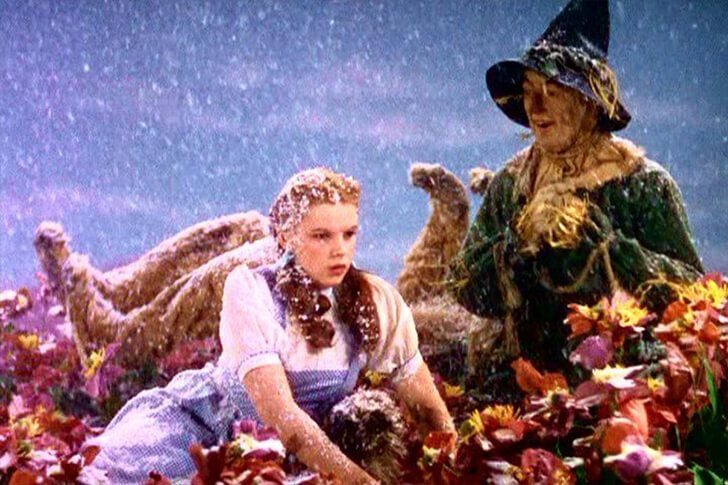
This was the scene where Dorothy and the gang are woken up by snowfall. Although the dangers of asbestos were discovered, and it has been banned in Australia and the United Kingdom, it is still used in the United States of America.
Garland Was Slapped For Laughing
Stage performers need to be in character for every scene. But sometimes the reality of a situation just gets the better of even the most consummate of professionals, and they struggle to even get into character.
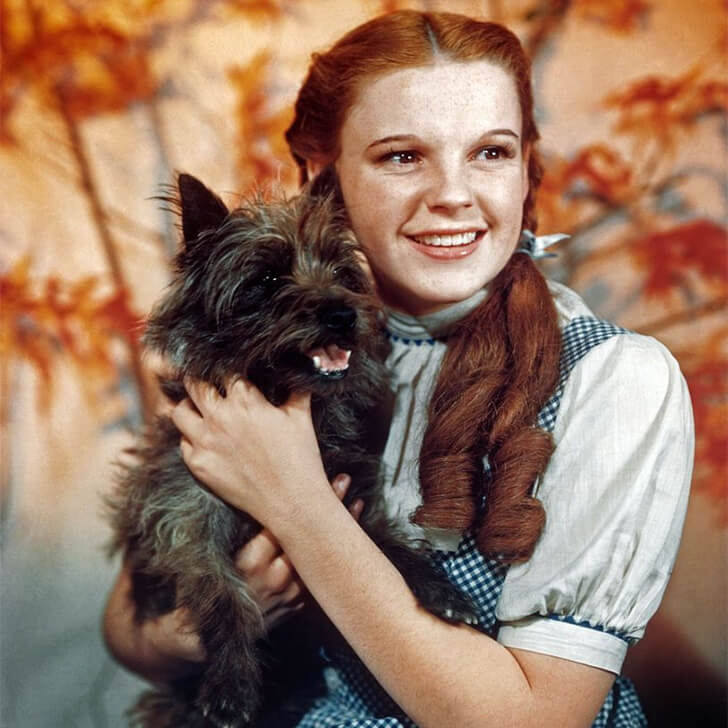
Judy Garland had trouble with a scene where she had to slap the Cowardly Lion. She couldn’t stop giggling at the thought of slapping a man who was wearing a lion’s suit. But the director took drastic measures slapping her to get her focused.
Smelly Cat Smelly Cat
Remember Phoebe from “Friends?” In the show, she wrote a song called “Smelly Cat,” which she played when she had gigs at Central Perk. This could be a play on the term alleycat or this scandalous secret from “The Wizard of Oz” movie.
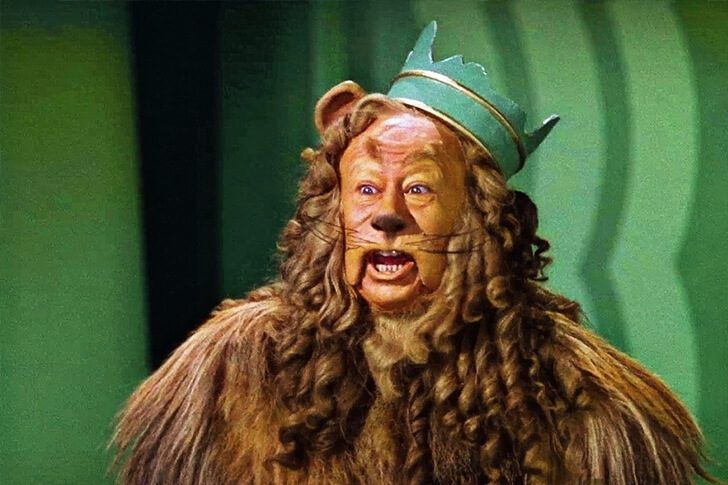
It turns out the Cowardly Lion’s suit was actually smelly, partly because actor Bert Lahr was sweating profusely inside it. He couldn’t remove it between takes either, because it took so long to get it on him.
Another Reason The Lion Suit Was Smelly
If the “Wizard of Oz” was being made in 2022 it would have come under attack from animal rights activists. That’s because social media is global, and because the Cowardly Lion’s suit was allegedly made with a real lion’s pelt.
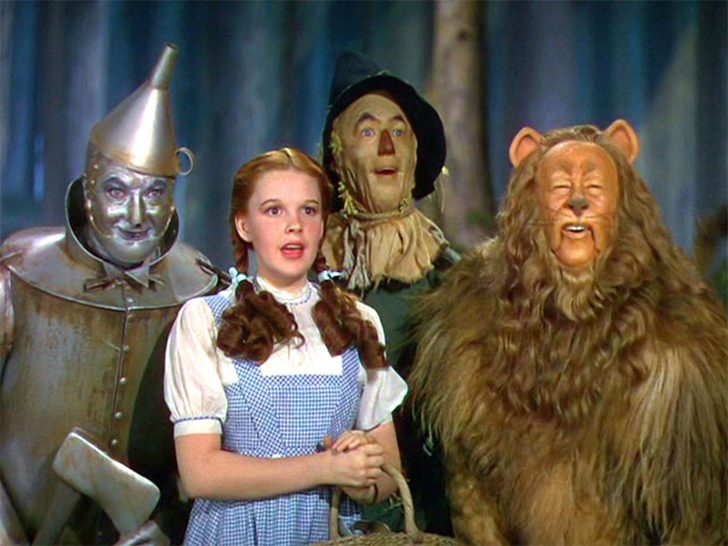
Bert Lahr also had to wear the same suit every day because they couldn’t get another lion’s fur in the same shade. The suit had to go into an industrial dryer too since Lahr was sweating so much in it.
A Set Of Segregation
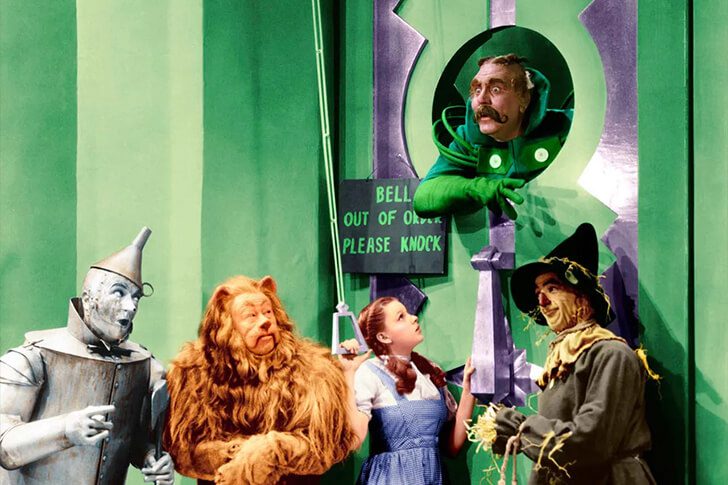
Despite being an integral part of the film’s production, the actors who played the Lion, Tin Man, and Scarecrow were subjected to segregation. This was because they had to keep their suits on all day, even when they broke for lunch.
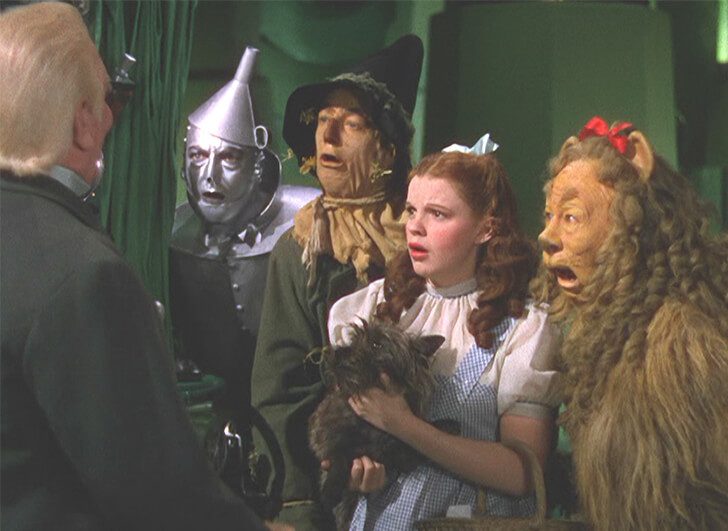
Because the way they looked in their costumes unsettled the other people in the commissary that they didn’t want them having their meals there. So instead, they ate on set. It really was a thankless job playing these characters.
One Man Gets The Credit For The Work of Five
The direction credit for “The Wizard Of Oz” goes to the famous Victor Fleming, who also directed “Gone With The Wind.” But Oz had more than one director, and Fleming wasn’t even the first one. That honor goes to Norman Taurog.
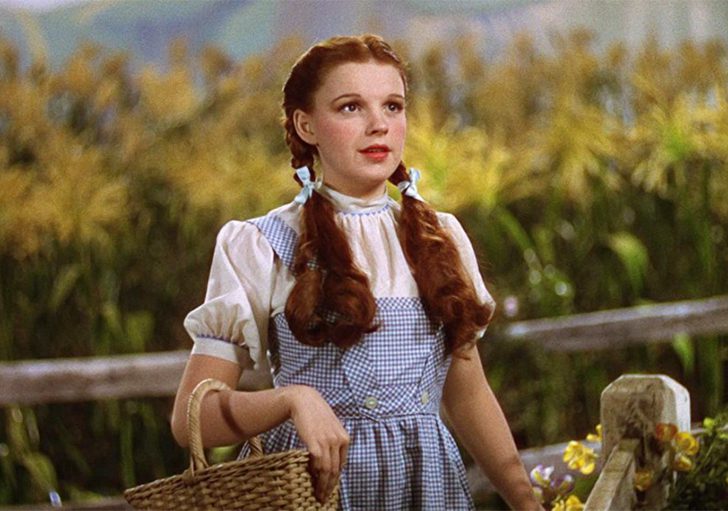
He was followed by Richard Thorpe, who was replaced by George Cukor. Cukor left “Oz” to direct “Gone With The Wind,” but was Cukor fired and, ironically, replaced by Fleming. The direction of Oz was completed by King Vidor.
One Of The Best Parts Nearly Didn’t Get In
Can you imagine “Grease” without “You’re The One That I Want,” or “Annie” without “Tomorrow?” These songs hold a similar place in their films as the scene where Dorothy sings “Over The Rainbow.”
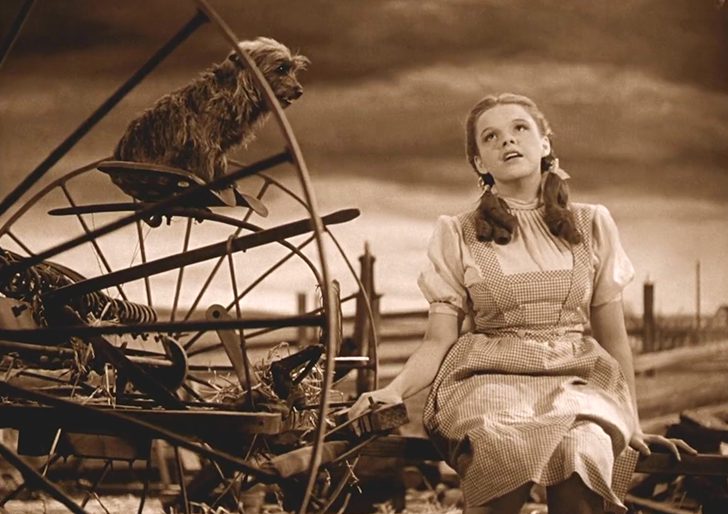
The song is a highlight of the film and is an emotive moment for the main character. The funny story is that it almost didn’t make the final cut. It was only after King Vidor took over the direction that the part was included in the film.
Garland Wasn’t The Original Choice For Dorothy
Shirley Temple was a prominent child star in the acting industry during the ‘30s. So it was natural that the filmmakers for “The Wizard of Oz” had her high up on the list to play Dorothy. But her limitations were concerning.
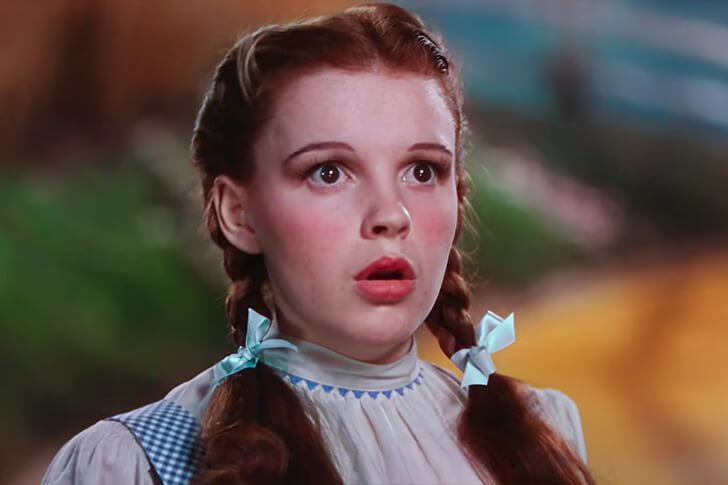
For starters, “Oz” was a Metro Goldwyn Meyer film, and Temple was signed to Fox Film Corporation. Another limitation was her singing voice. This is why they approached Garland instead, despite her being older than Temple by five years.
Garland Went To Extremes For The Part
There were conditions to Garland getting the main role. One of them was that she looks as young as possible, to match Shirley Temple’s youth. To achieve this the production team gave Garland various medicines to help her lose weight.
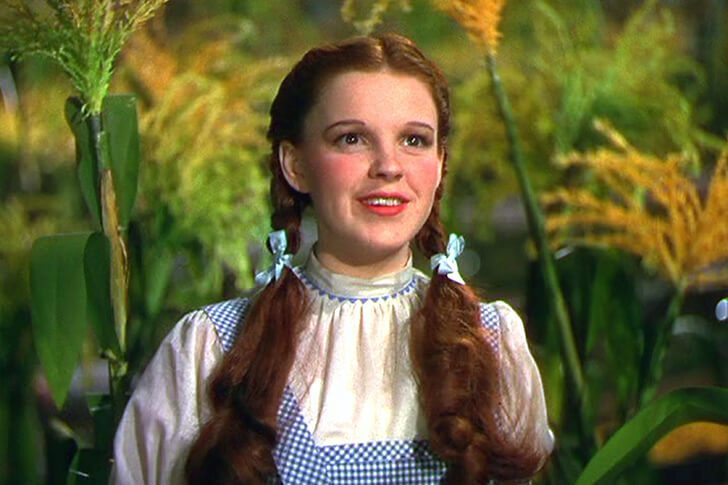
One of them was a strict diet, and another was to start smoking, which was thought to aid weight loss back in the day. She also had to wear a corset to hide her bosom and make her look younger.
Green With Envy… And Makeup
The Wicked Witch of the West was never described as green in the novel. But the filmmakers thought it would look good in technicolor, so made her skin green. But this wasn’t any good for actress Margaret Hamilton.
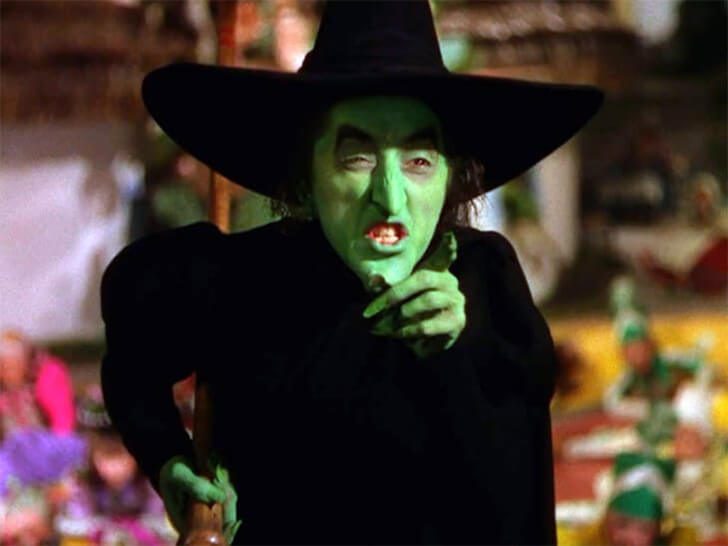
The makeup used was flammable and caught fire as noted in a previous item. Her skin eventually turned green and stayed that way for weeks. To make things even worse, she accidentally ingested some of it, and couldn’t eat it for days.
The Scarecrow Nearly Stayed A Scarecrow
Ray Bolger was originally cast as the Tin Man but convinced the filmmakers to cast him as the Scarecrow. He must have regretted that when he finally got into his suit. It wasn’t toxic like Tin Man and Witch or smelly like Lion.
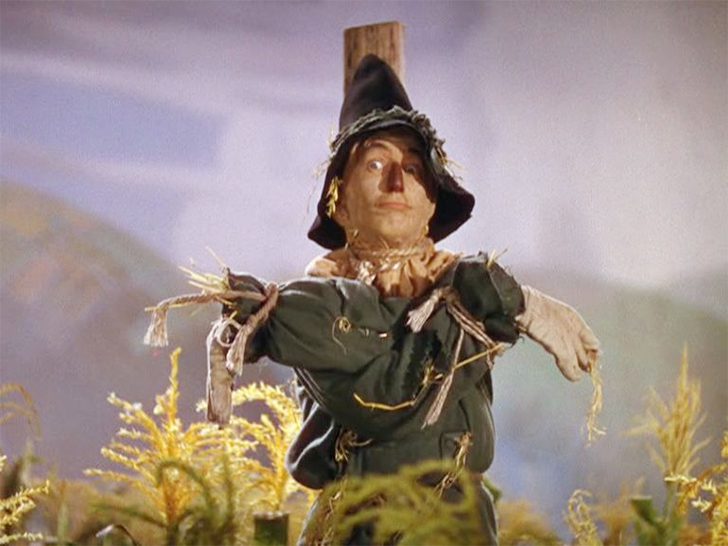
It did however mark Bolgers face with Scarecrow mask imprints, which lasted for an entire year. This affected Bolger’s ability to get work during that time. He would eventually move into musical theatre, Broadway, and TV productions.
There Was Even More Animal Cruelty
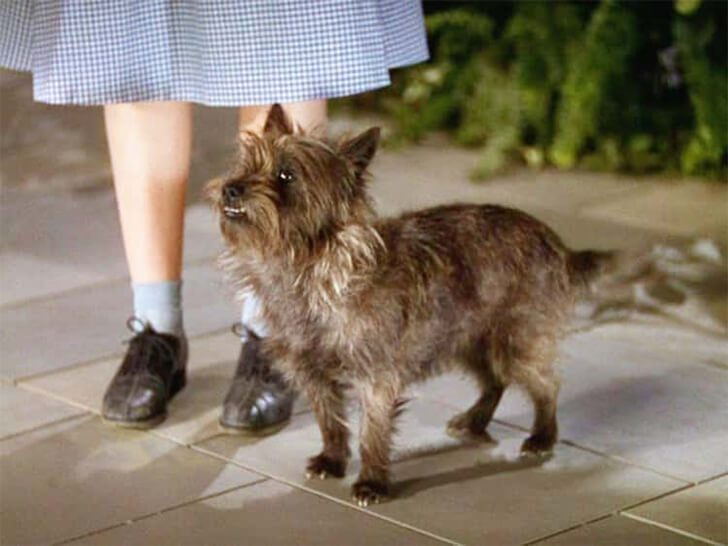
Another star of the film was a dog named Toto, who served as Dorothy’s pet. In the film, this dog was played by a female Cairn terrier called Terry. But the dog wasn’t safe from danger.
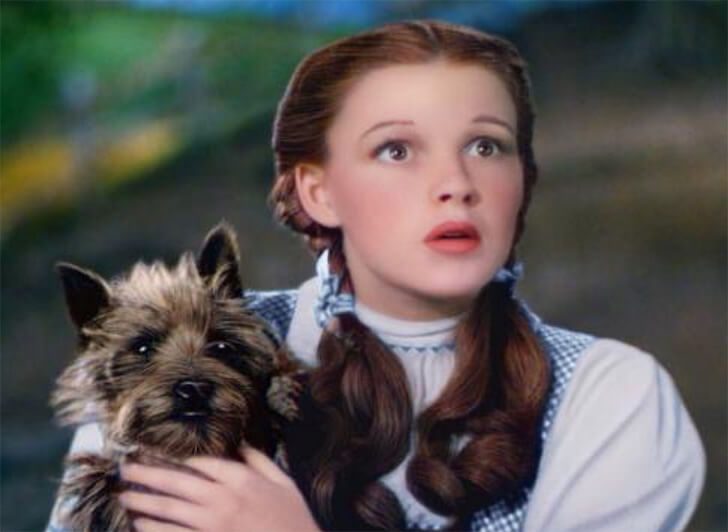
Apparently, in one scene one of the wicked witch’s henchmen, known as winkies, stepped on the tiny K9’s paw, breaking it. This led to the dog being replaced in filming for four weeks while it recovered. At least this appeared to be an accident.
They Probably Avoided Action From The Union
Besides animal rights activists trade unions could probably have had a field day because of the animal stars. It turns out that Terry, who played Toto in the film, was being paid more than the actors who played Munchkins.
This could be why the disgruntled actors trashed hotel rooms and drank and partied all the time. The Screen Actor’s Guild was already active at that time, so it’s baffling why this was never reported to them to make things right.
The Lighting Nearly Caused The Wicked Witch To Melt
Fire wasn’t the only thing that could have caused the makeup to stick to Margaret Hamilton’s face. The daily temperature on set was often pushed as high as 100 degrees Fahrenheit. The reason for this? Well, it was technicolor.
At the time, it was the newest craze in the film industry because it allowed directors to create color films. The set, however, needed to be it with bright lights, which also generated heat. This led to temperatures that had some costumed characters on the brink of heat stroke.
Delays Were Caused By Heating
Besides causing costumed characters to nearly suffer heat stroke, it also caused Carbon Dioxide buildup. This had the potential to make the air in the studio toxic and affect the performers, especially those who were already suffering from poor breathing.
So the studio had to be aired out. This meant production had to be stopped for hours, which in turn meant that shooting often ran late in the night. Many of the actors weren’t impressed by this.
The Wicked Witch Was Actually Deemed Too Scary At Times
Witches are scary, which is why they were used as antagonists in books and children’s TV programming. But the filmmakers working on 1939’s “The Wizard Of Oz” got that a little too right with their Wicked Witch of the West.
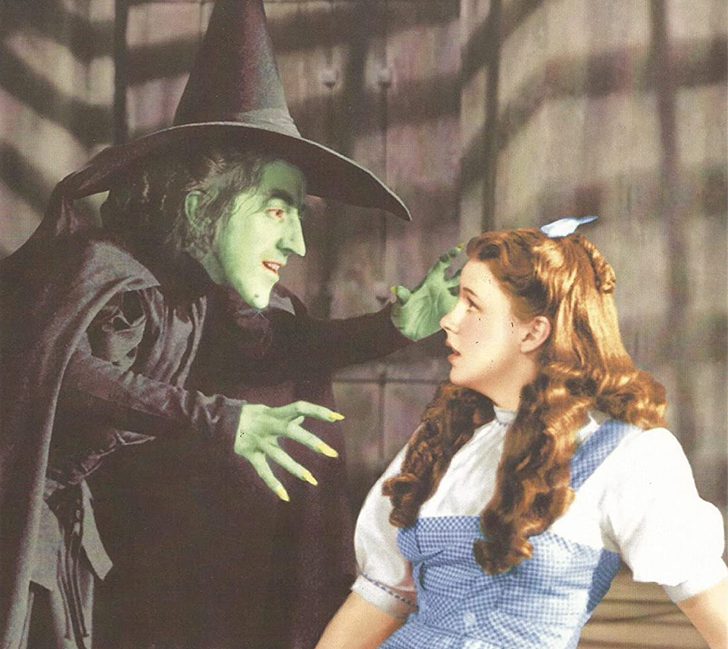
In fact, some scenes containing the Witch had to be cut because they were deemed too scary for what was meant to be a child-friendly film. This was mostly down to Hamilton’s ability to pull off scary or ugly characters.
But Some People Just Never Learn
Because of the scenes that were cut, no one knew the fear the Wicked Witch could bring to children. Enter Sesame Street, the show famous for wholesome characters like Elmo, Bert, and the Cookie Monster, who isn’t scary at all.
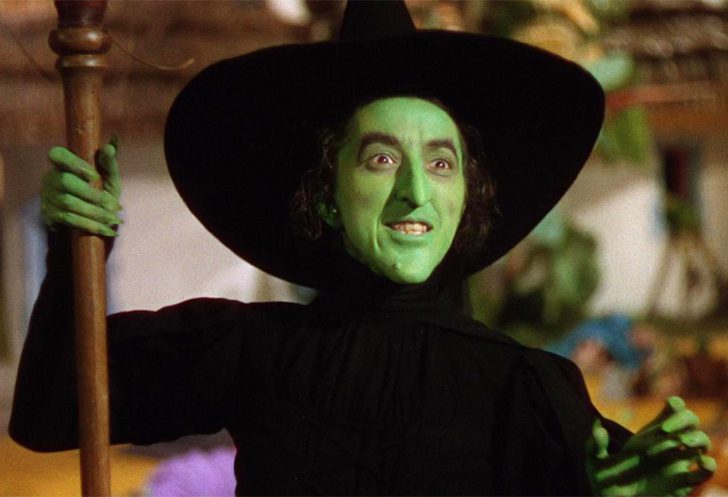
The show is renowned for having guest stars. These include John Legend, Amy Adams, and David Beckham. But in 1976 they had Margaret Hamilton, in character as the Wicked Witch of the West. The episode was banned after airing once.
Costume Makers Got Creative To Change The Color Of A Magical Horse
These days CGI can make anything happen. From making people look younger to changing the color of a horse. But back in 1939, the producers had to become a bit craftier with how they did their coloring.
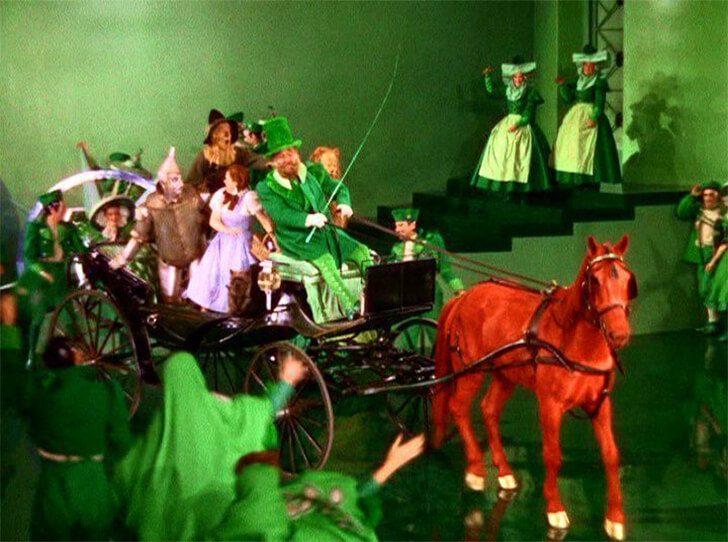
For instance, the red magical horse in “The Wizard of Oz” was actually a white horse. But to make it red, they used red gelatin powder. It worked, however, the horse loved the taste and can be seen trying to lick it.
Here’s Why The Wizard Of Oz Didn’t Get The Jitterbug Treatment
To keep the film within the boundaries of its young target audience, Producers had to cut certain scenes from the film. One of these scenes where the gang is accosted by bugs was removed from the film. During this scene, they sing a song called “Jitterbug.”
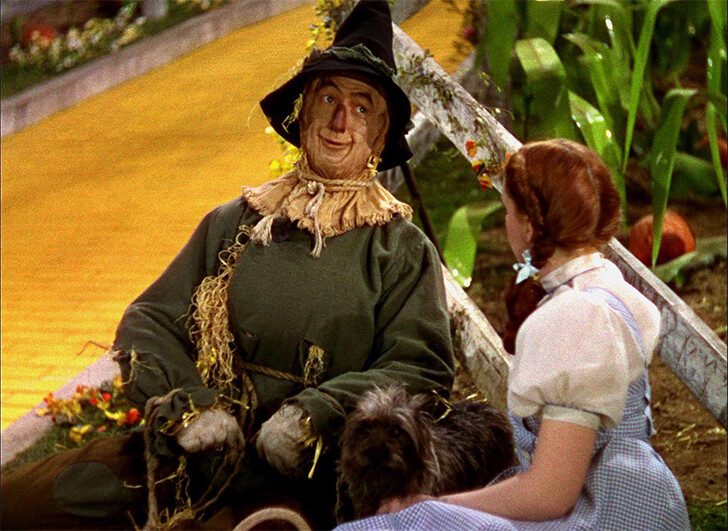
The producers feared that the song may be associated with a Cab Calloway song “Call of the Jitterbug.” This song was associated with alcohol, and this was no good for “The Wizard of Oz.”
But There Is Evidence Of This Scenes Existence
The scene may have been wiped from the end product, but there is still evidence that it was supposed to be there. That’s because in another scene in the film the Witch does send bugs to terrorize the gang.
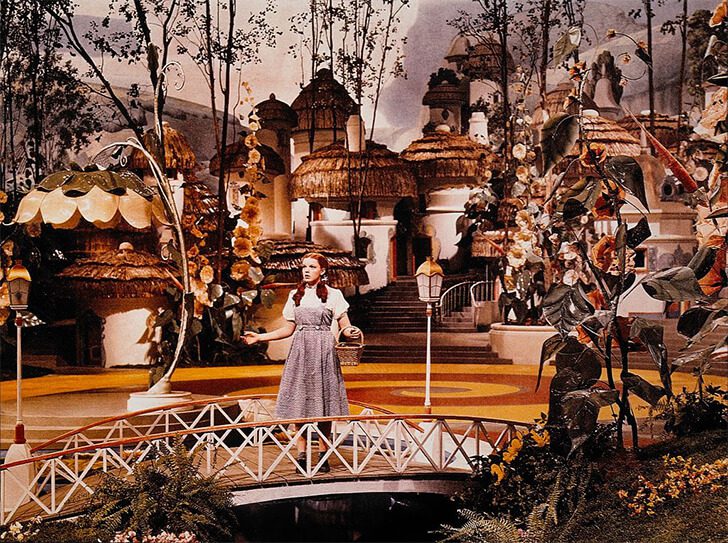
This part is still in the film and creates a continuity issue in the story since the result of the Witch’s action never does come to fruition on the screen. This small slip didn’t stop people from loving the film though.
Technicolor Created The Ruby Slippers
In the book the ruby slippers were silver. The only reason they were colored ruby in the film was that the filmmakers wanted to make full use of the technicolor technology they were using at the time.
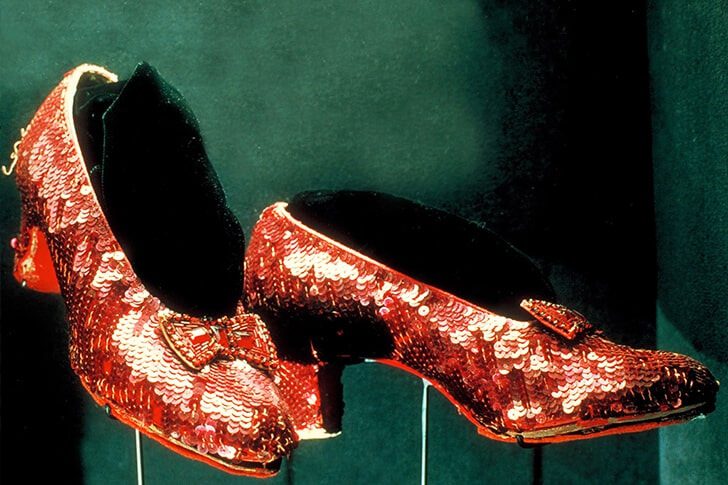
Ironically there was actually a political reason behind author L. Frank Baum making the slippers silver. Scholars believe that the author had political messages in his books and that the slippers symbolized the battle between gold and silver during the Populists’ movement’s rise.
The Political Side Of L. Frank Baum
For the author of “the Wizard of Oz” L. Frank Baum, inspiration came from the Populist movement of the 1890s. He had a close eye on the development of this movement as a political journalist in this period.
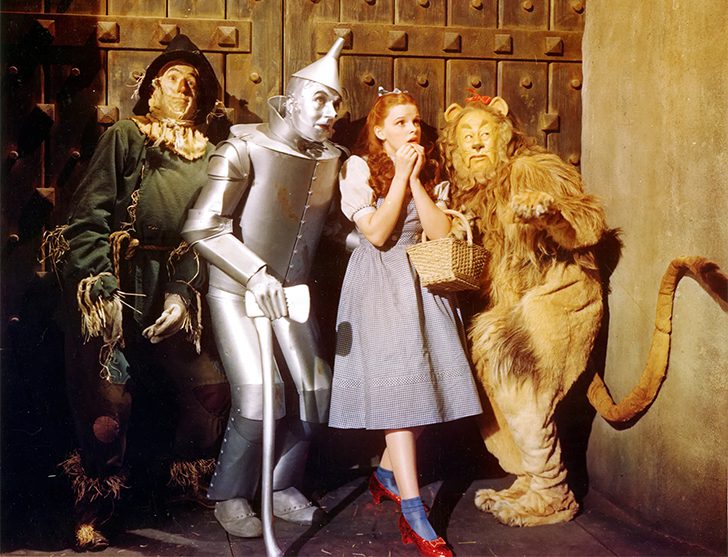
He worked this job for a number of years and his exposure to the movement has embedded itself in the novels, particularly for the active parts of this movement: farmers and workers. This is why each character symbolizes something about the movement.
The Characters Each Represented A Different Kind Of Political Personality
When an author creates characters for a book, they are projections of the world they are exposed to. For L. Frank Baum this meant each of his characters was a symbol of his experience with the populist movement in America.
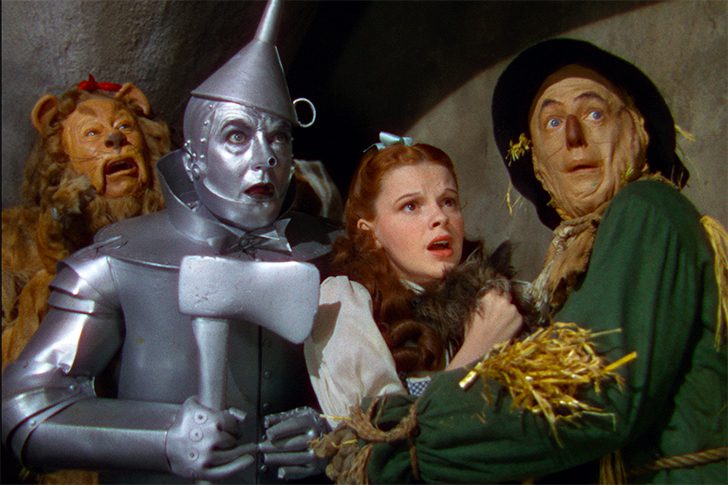
One example of this is how Dorothy represents the plucky but wholesome average American. The Scarecrow in turn represents the struggling mid-western farmers. The Tin Man was a mechanical factory worker and the Lion represents populist icon, William Jennings Bryan.
The Ruby Slippers Look Orange On Screen
Filmmakers went with ruby red slippers because they used technicolor. These not only stood out on Dorothy’s feet but do justice to the new film coloring technique that was going to revolutionize the industry. But there was a problem with this change.
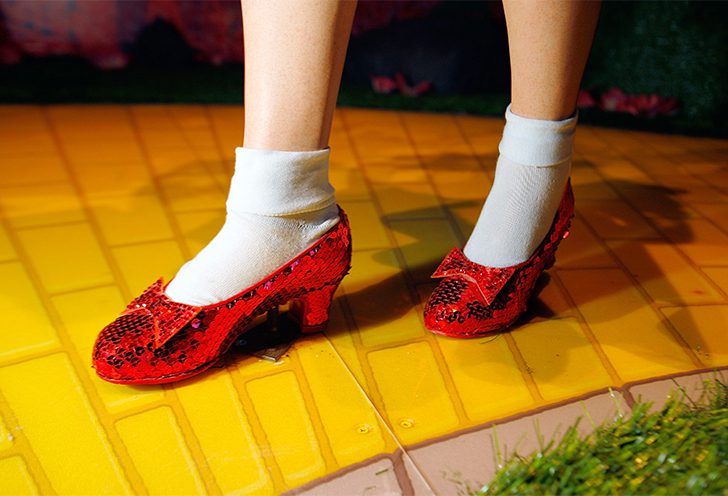
The red slippers showed up orange on screen and, they needed to make a plan. So instead the costume design team sewed red sequins on the shoe, giving it sparkle and making it appear red on the screen.
The Highway To Toto
The dog who played Toto became so famous that her name was changed from Terry to the character name Toto. This in turn made the school that trained her, Hollywood Dog Training School, a lot of money as well.
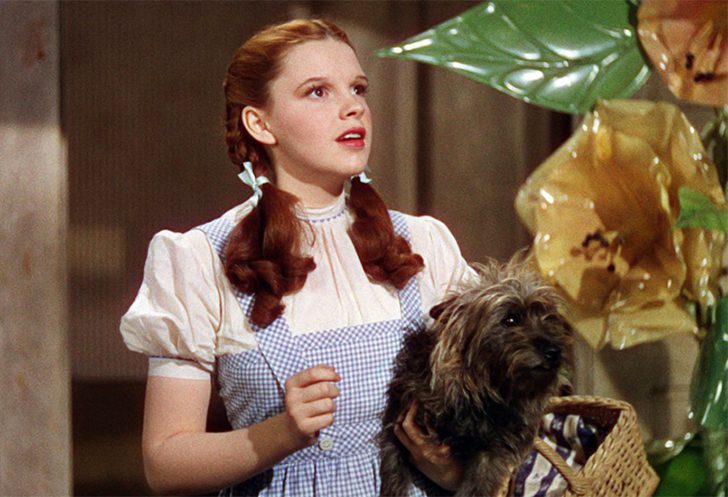
So when she passed in 1944, the school buried her on its grounds. The land was eventually sold in 1958, and the Ventura Freeway is built over it. So if you’re ever on that road, spare a thought for Terry/Toto.
The Price Of Fame
Fame comes across like a dream come true. Everyone knows and loves you, and they want your autograph. But there is another side of the coin that is very challenging and not everyone can handle it.
For instance, because of the demands of the industry, Judy Garland was forced to diet, have an abortion, and take prescription drugs. This was all thanks to her role in “The Wizard of Oz,” which became her claim to fame, leading to other films.
The Teary Earworm
“Over The Rainbow” had music written by composer Harold Arlen and lyrics by writer Yip Harburg. It is an iconic song and one of the standout segments of the film itself. But it was also the bane of Judy Garland’s life.
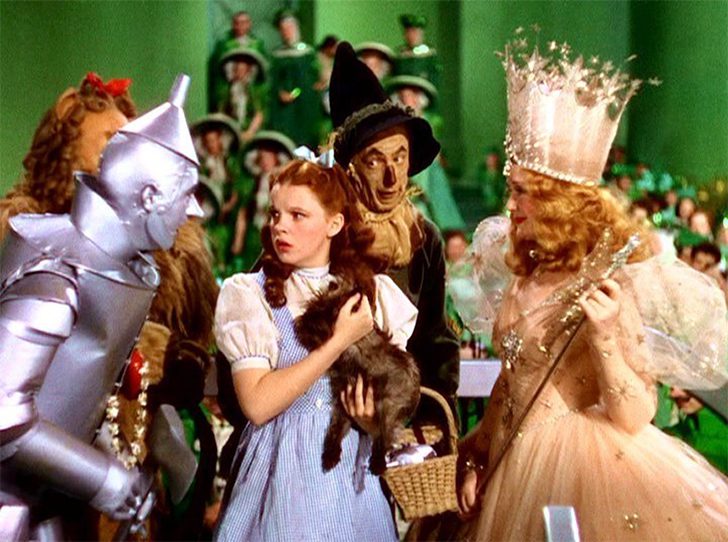
She said so when she was invited to meet the Queen Mother. Her majesty proclaimed that whenever she heard the song it made her teary, to which Garland shot back that the song plagued her for her entire life.
A Pair Of Ruby Slippers Worth $1 Million
There were four pairs of Ruby Slippers made for the production of “The Wizard of Oz.” After production ended on the film these slippers were handed to various institutes as mementos. One was on display at the Judy Garland Museum in Grand Rapids, Michigan.
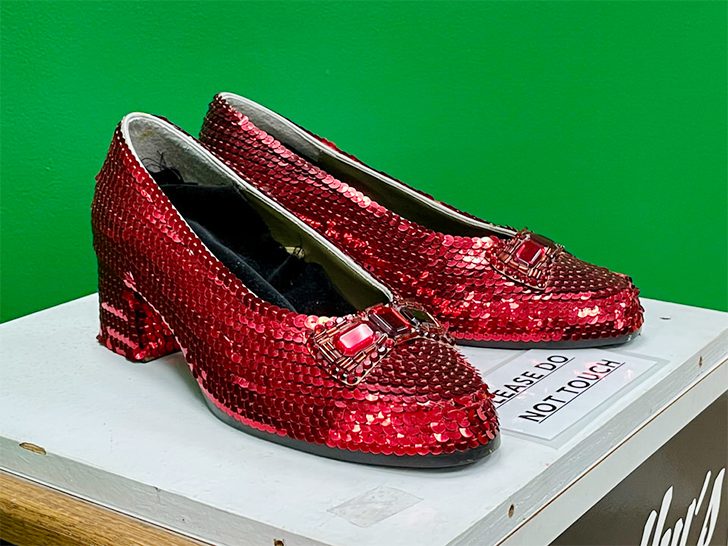
But in 2005 this pair was stolen. An unknown donor put $1 million up as a reward for the safe return of the slippers. The reward duration was 10 years, the slippers, however, were never returned.
Another Continuity Error
The continuity error with the bugs scene isn’t the only one. In fact, there is another involving the Wicked Witch and a cap handed to her. In the book, the cap wearer is supposed to be able to control the winged monkeys.
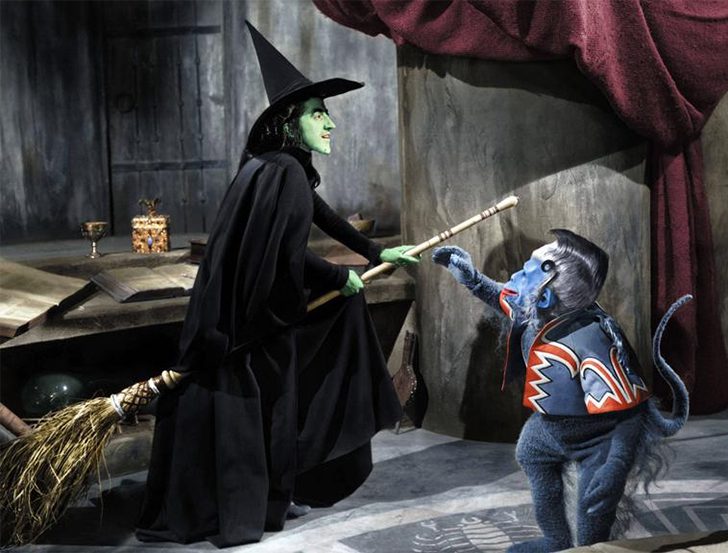
The witch was supposed to use the cap to send the monkeys to the poppy field to get the ruby slippers. But in the film, she throws the cap down, rendering its appearance useless to the film storyline.
The costume Team Had To Get Pretty Crafty
The head of costume design for the film was Adrian Adolph Greenburg. He went by the simple moniker Adrian and was responsible for livening up the ruby slippers. He was also responsible for the crafty, and at times dodgy costumes.
But he was also crafty with recycled costumes. One such dress was worn by the character Glinda. The dress was initially worn by Jeanette MacDonald in 1936’s “San Francisco,” but Adrian spruced it up for the theme of the film.
Ruby Slippers and Pink Floyds
As we’ve discovered, “The Wizard of Oz” deals with themes of conflict, greed, self-belief, and mental illness. This is evident in characters like a lion with no courage, a heartless tin man, and a brainless scarecrow.
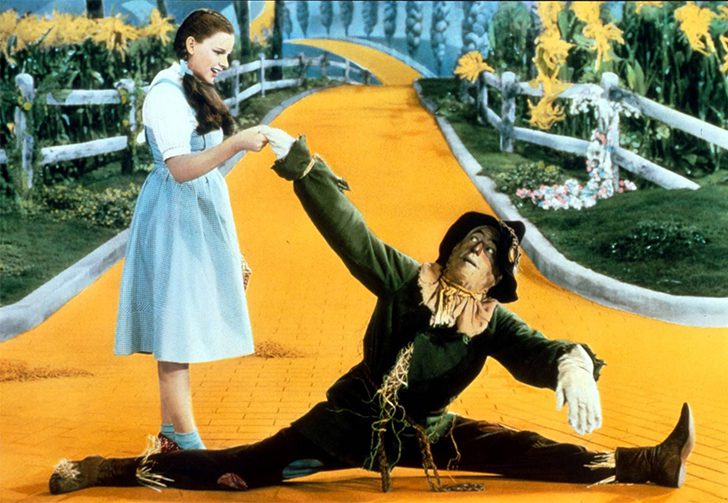
Pink Floyd’s album “Dark Side of the Moon” has similar themes to this. Apparently, if the album is started at the exact moment after Lion’s third roar, some unique visual and vocal synchronization are evident. The band has denied that they did this intentionally.
Judy Garland Burned Out During Promotional Work
Bless her soul, but Judy Garland must have resented the fact that she starred in the Wizard of Oz. The strain she had to go through, and the subsequent pressure of the rest of her career had a heavy toll on her.
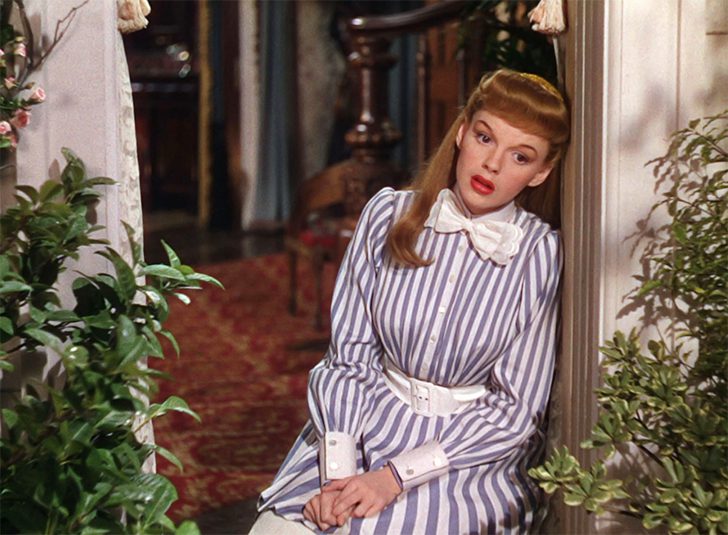
What also took a toll on her was the promotional tour that followed the film. MGM had her traveling from coast to coast to appear at screenings. She was eventually so exhausted that she needed to be hospitalized.
Why Was Mickey Rooney Involved?
Part of the promotional tour was a three-week stay in New York City. While she was in the Big Apple for promotional work during the film’s run at Loew’s Capitol Theater in Manhattan, she also had to perform.
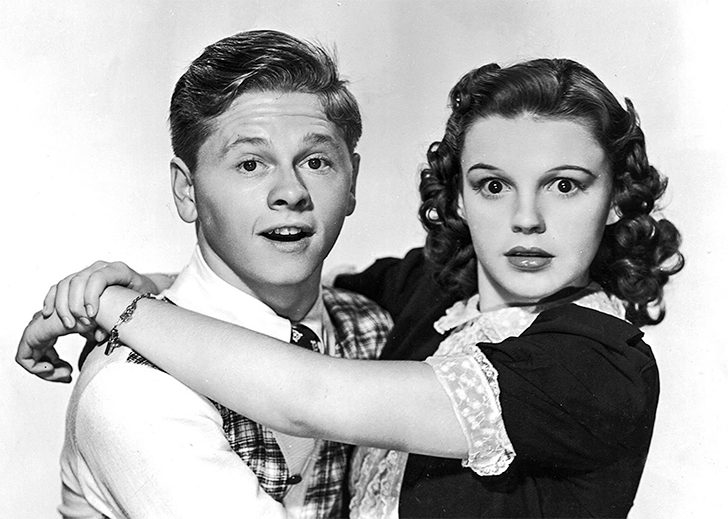
This performance came in the form of a song and dance routine, and she was accompanied by fellow actor Mickey Rooney. This is despite Rooney not being in “The Wizard of Oz,” although he was famous for playing the character, Andy Hardy.
The Cast Member No One Knows
The Wizard of Oz became the stepping stone for icons. These days the end credits read like a who’s who of Hollywood legends. That’s at least until you get to the last name on the credits, and a character named Nikko.
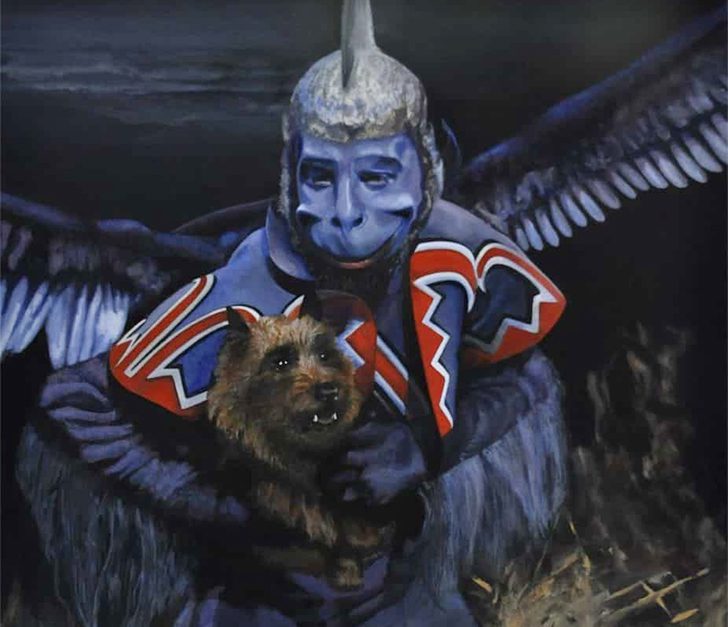
The role is attributed to one Pat Walshe, an experienced Broadway performer in that era. The name Nikko was a pet name for the leader of the flying monkeys. Walshe suited the role thanks to his diminutive 3’10” height.
The Tin Man Actor Left Acting Completely
Jack Haley eventually stepped into the Tin Man suit after Buddy Ebsen pulled out following his run-in with the makeup. Haley worked for RKO, but they loaned him to MGM for “The Wizard of Oz” at short notice.
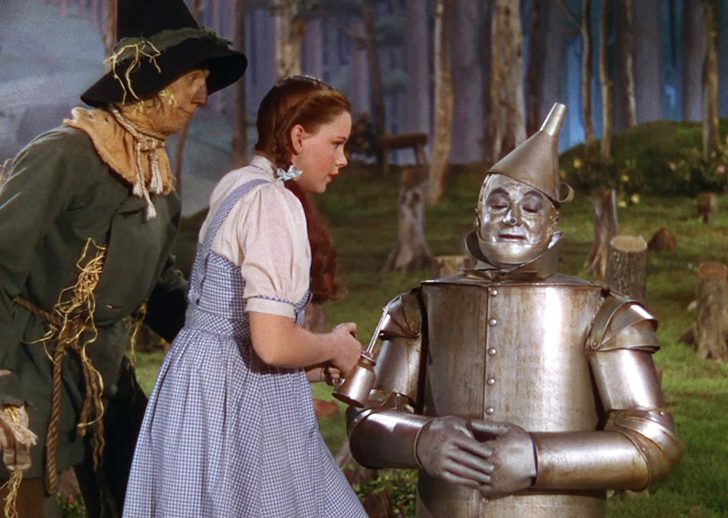
While he did a stellar job, upon his return to RKO he was slotted back into acting in supporting roles. Disgruntled with his career, Haley left acting. He pursued real estate instead, found success, and still supported struggling actors in the industry.
Margaret Hamilton Tried To Prove She Wasn’t Evil
Before she became a movie star playing roles like the Wicked Witch of the West, Margaret Hamilton was a kindergarten teacher. Her acting career spanned nearly 50 years, but thanks to this movie, it was built playing stern, no-nonsense characters.
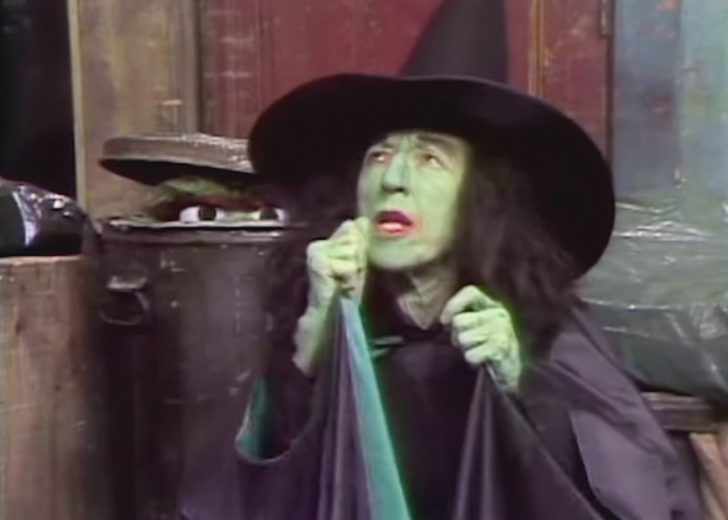
She founded her own kindergarten and made a point of teaching children that the Wicked Witch of the West was, in fact, not real. She still embraced the character, making appearances in character at special events and for TV specials.
The Books Weren’t As PG As The Film
While the witch was scary, the general consensus is that 1939’s “The Wizard of Oz” is a kid-friendly affair. The same can’t be said for the book, though. There are plenty of things in there that would make adults fearful.
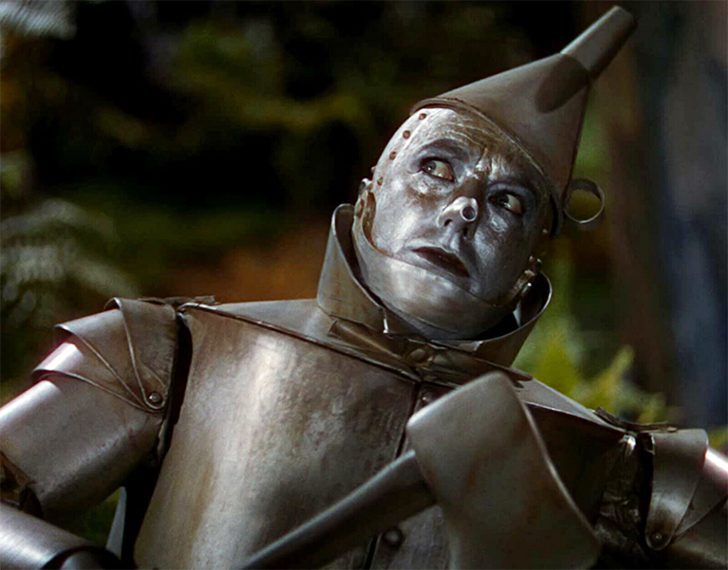
Like the back story of the Tin Man, in the book, he was a lumberjack who fell in love with a munchkin. To stop this, the witch put a spell on his ax, which made him hack off his limbs.
The Wicked Witch Wasn’t Even The Real Baddie
In the film version, the Wicked Witch of the West was the main antagonist. But it turns out she wasn’t even Dorothy’s main baddie in the books. In fact, she is just a blip on the radar during Dorothy’s early time in Oz.
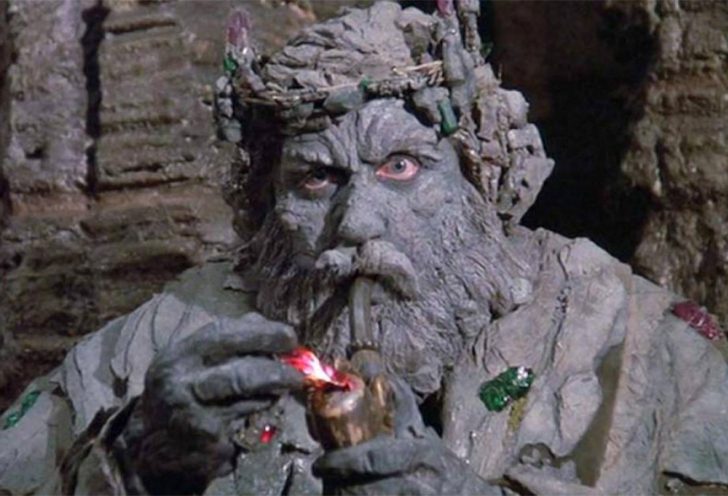
The real thorn in Dorothy’s side is a half gnome, half stone being named the Nome King. He appears in Baum’s third book “Ozma of Oz.” The character had a film appearance in 1985’s “Return To Oz.”